
If You Feed Them, Help Fix Them: How Community Cat Care Works
Across San José and the Bay Area, thousands of free-roaming cats live outdoors. Some are friendly neighborhood regulars, while others are shy community cats who prefer to keep their distance from people.
Many have compassionate neighbors looking out for them by providing food, water, and shelter. But feeding alone does not stop the cycle of reproduction. That’s where Trap-Neuter-Return (TNR) comes in.
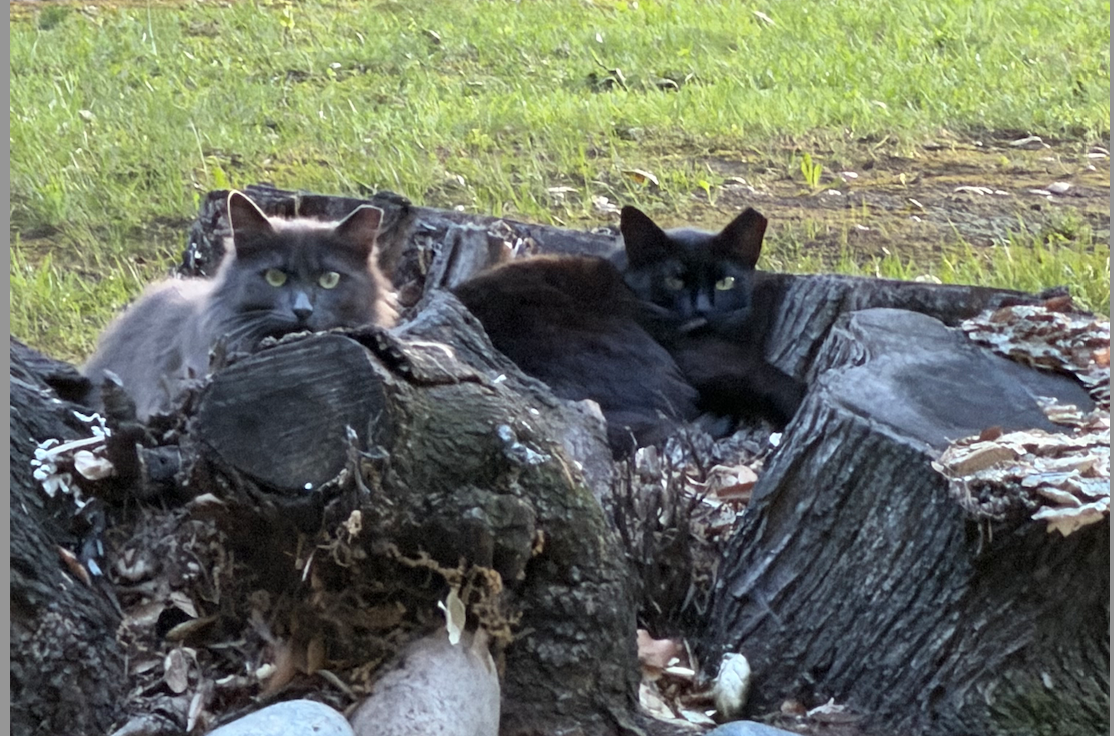
What Is TNR?
TNR is a humane and effective way to manage free-roaming community cats, particularly cats who are not candidates for traditional household adoption.
Trap: The cat is safely caught using a humane trap.
Neuter: The cat is spayed or neutered, vaccinated, given an ear tip, a small portion of the ear is removed while the cat is under anesthesia. The ear tip is a universal visual indicator that the cat has been spayed or neutered.
Return: The cat returns to its familiar outdoor territory.
Spaying and neutering the cats in a colony helps stabilize the population and prevents future litters. Over time, TNR can reduce the number of kittens born outdoors and improve the health and quality of life of community cats.
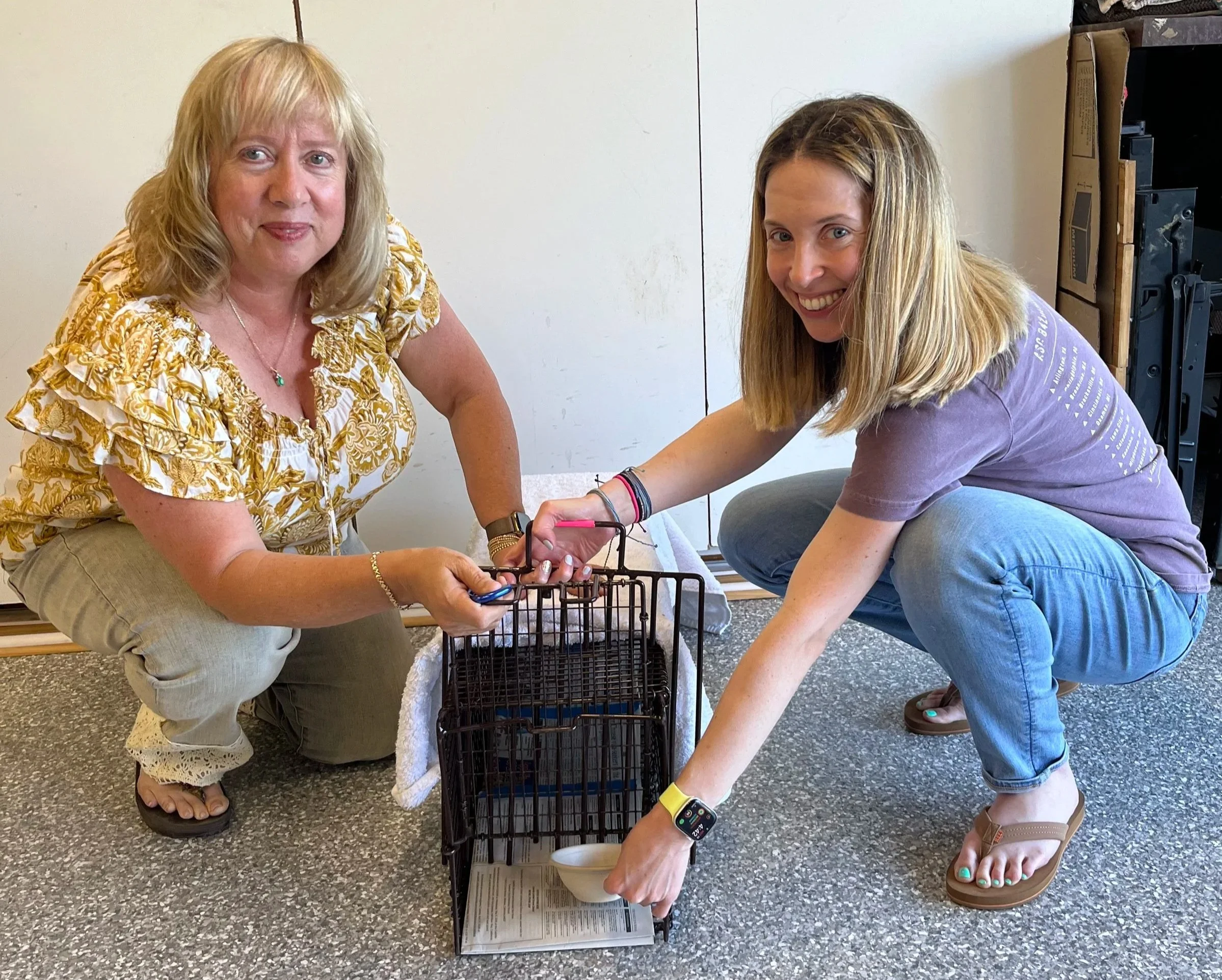
Spotlight: SVPP Volunteers Lori & Laura
While Silicon Valley Pet Project (SVPP) does not run a formal TNR program, our community relies heavily on dedicated grassroots volunteers.
We want to highlight Lori and Laura, two former SVPP feline foster parents who have spent years doing hands-on TNR work in our local neighborhoods. Since December 2021, Lori and Laura have safely trapped more than 190 community cats to have them spayed, neutered, and vaccinated!
They coordinate with neighborhood caregivers, arrange appointments and transportation, provide recovery care, and return cats to their familiar territory. Their work is a great example of how individual community members can make a meaningful difference.
How SVPP Fits In
While SVPP's core mission centers on rescue and foster care, we proudly support independent TNR efforts like Lori and Laura's by occasionally taking in young kittens trapped during their fieldwork. When appropriate, SVPP may take those kittens into our foster program, giving them the opportunity to find permanent homes while their altered mothers remain safely cared for in their outdoor territory.
This is one way TNR and traditional rescue can work together.
How You Can Help
If you're feeding outdoor cats, you're already part of the solution. The next step is learning about TNR and making a plan.
1. Learn about TNR
TNR is a multistep process, and doing some research before you begin can make the experience safer and more successful.
Helpful resources include:
2. Find Out Who Is Caring for the Cats
Before trapping, find out who is already feeding the cats and learn about the colony. Take photos and keep track of which cats are ear tipped, which still need to be altered, and whether any are friendly or may be candidates for adoption.
Good communication among caregivers helps prevent unnecessary trapping and makes TNR easier to coordinate.
3. Identify the Cats Who Need to Be Fixed
Spend some time observing the colony and take photos of the cats you see.
An ear tip generally indicates that a cat has already been spayed or neutered, so photos and a simple list can help you keep track of which cats still need to be altered.
4. Determine the TNR Logistics
Before trapping, figure out:
Where the cats will receive veterinary care
How they will get there and back
Where they will safely recover after surgery
Who will be responsible for each part of the process
Contact the TNR program serving your area to learn about appointments and available resources. If using a private veterinarian, confirm that they can handle unsocialized community cats arriving in humane traps.
5. Recruit Help
TNR involves more than trapping a cat. Having one or two friends or neighbors help with trapping, transportation, appointments, and post-surgery recovery can make the process much more manageable. Sharing the responsibilities makes it easier for everyone involved.
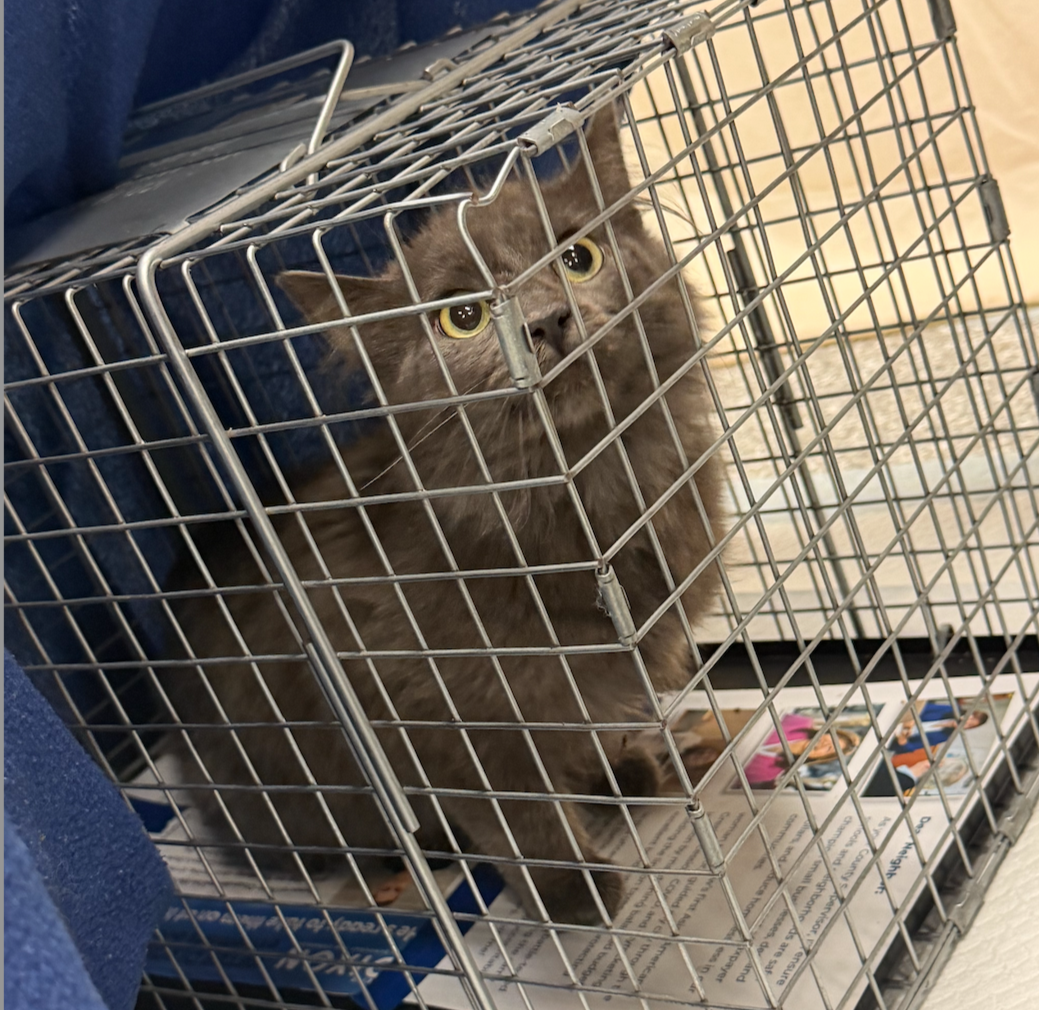
6. Gather Your Supplies
Your TNR provider can tell you what you’ll need. Basic supplies include:
Humane trap
Pee pads and newspaper for lining
Towel or light blanket to cover the trap
Wet food for bait and recovery
Lori recommends tuna in oil or Friskies “Extra Gravy” wet food for bait. Traps may be available to borrow through San José Animal Care & Services or other local TNR programs.
7. Secure a TNR Appointment Before You Trap
Do not trap a cat unless you have a confirmed appointment and a plan for transportation and post-surgery care.
TNR appointments can have long wait times, so securing an appointment and arranging your supplies and transportation should be among your first steps.
San José currently requires proof of an appointment before trapped cats are admitted for TNR, and cats must arrive in humane traps, one cat per trap.
8. Plan for Trapping Day
Cats often develop routines around feeding, which can make it easier to determine when they are most likely to appear. Work with the regular caregiver to coordinate feeding before trapping and follow the guidance provided by local TNR programs or veterinary providers.
Never leave a trap unattended. Once a cat is trapped, cover the trap with a towel or light blanket and move the cat to a quiet, temperature-controlled location.
Local TNR Resources
If you're ready to learn more, these organizations are good places to start:
Bay Area Cats
TNR education, trapping information, local resources, and information about trap-loan programs.
San José Animal Care & Services
TNR information, appointments, and humane trap loans for eligible community cats.
County of Santa Clara Animal Services
Free spay/neuter services are available for eligible unowned, free-roaming cats from the County's service area. Services currently include spay/neuter, microchipping, vaccinations, and ear tipping. The County also provides information about working with community cats and TNR.
Nine Lives Foundation
Low-cost spay/neuter services for community cats, including TNR. Appointments are required, and community cats must arrive in humane traps.
Every Cat Counts
TNR can feel overwhelming when you look at an entire colony, a neighborhood, or a community full of outdoor cats. But you don't have to solve the whole problem yourself.
Start with one cat.
Learn. Make a plan. Get help. And connect with the resources available in your community.
Lori and Laura's work shows what is possible when dedicated community members take action. More than 190 cats since December 2021 represents more than 190 individual lives that will not contribute to another generation of kittens. By spaying and neutering cats before they can reproduce, TNR helps interrupt the cycle of exponential population growth and can prevent hundreds or even thousands of kittens from being born over time.
Feeding helps community cats survive. TNR helps prevent future litters and gives community cats a better chance to thrive.
One cat, one colony, and one neighborhood at a time.